Every trip in Peggy, our trusty Roller Team Pegasus motorhome, seems to bring a new adventure. Some involve beautiful scenery, some involve unexpected discoveries, and occasionally they involve an unplanned visit to A&E. Our latest trip to the East Yorkshire coast managed to include all three.
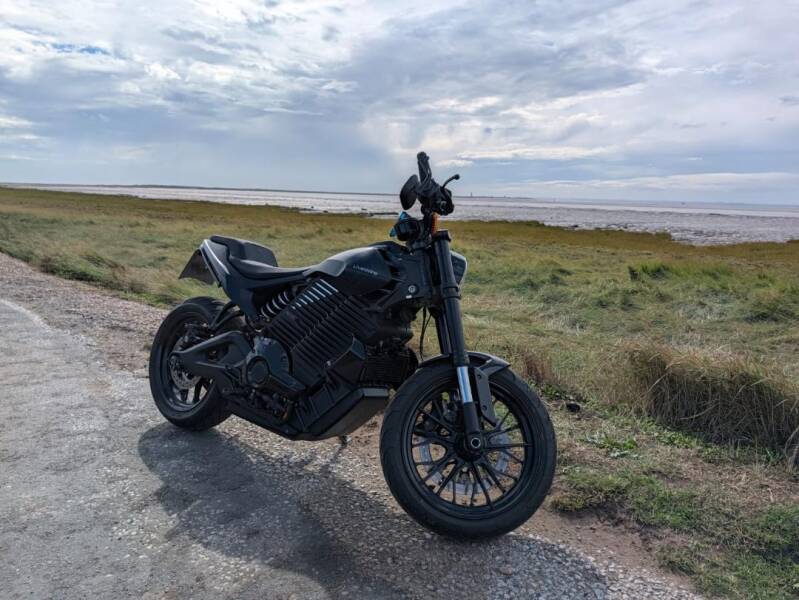
We parked Peggy near the gas works in Easington, a handy base for exploring one of the most fascinating and remote stretches of coastline in England. With the Harley LiveWire charged and ready, we headed towards Spurn Point.
For years it was possible to ride all the way out to the tip of Spurn, but nature has had other ideas. The narrow road connecting the peninsula has been repeatedly damaged by storms and coastal erosion, and today it can only be reached on foot. Undeterred, we set off on the three-mile walk across the beach and remaining roadway.
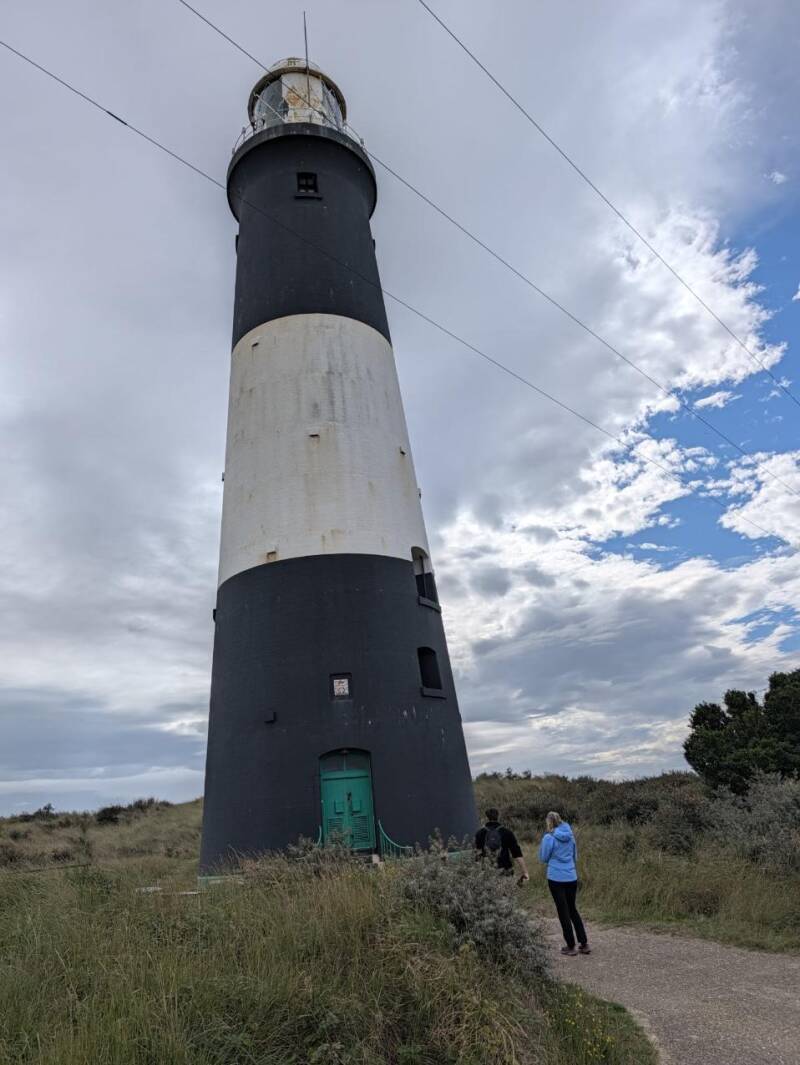
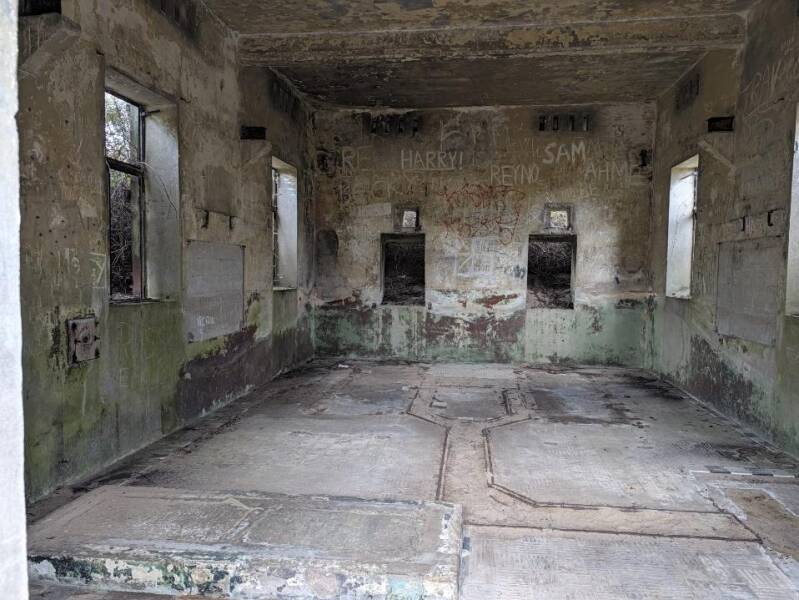
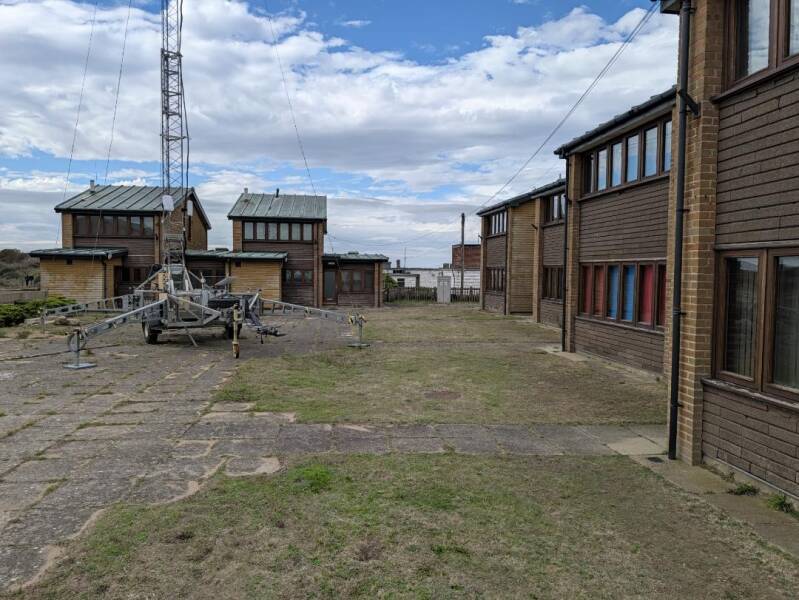
Spurn Point is one of those places that feels completely detached from the rest of the world. This narrow spit of land stretches out into the Humber Estuary like a giant finger pointing into the North Sea. Along the walk we passed abandoned lifeboat crew houses, old military structures, and the lonely lighthouse standing proudly against the sky.
The former RNLI cottages were particularly eerie. Once home to lifeboat crews and their families, they now sit silent and empty, slowly surrendering to the elements. It's easy to imagine children playing outside, families gathering after long days at sea, and lifeboat crews waiting for the next emergency call. Today only the wind and seabirds remain.
One of the most unusual sights was the enormous World War One sound mirrors. Before radar existed, these giant concrete dishes were used to detect approaching aircraft by amplifying engine noise. Standing beside them feels like stepping into a forgotten science-fiction film.
Nearby stands the former vessel traffic control tower, which once helped manage the busy shipping movements entering and leaving the Humber. Combined with the lighthouse and military remains, the whole area feels like an open-air museum hidden at the edge of the country.
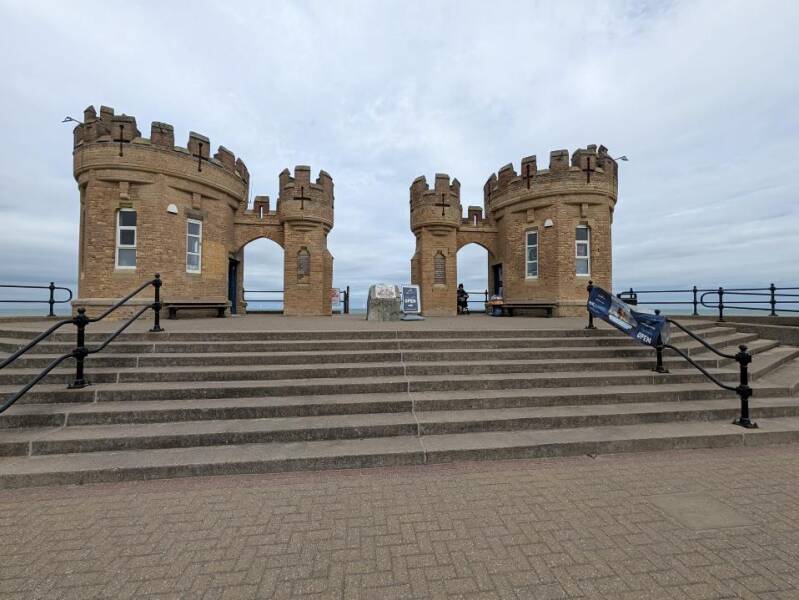
After our walk back, the LiveWire carried us north to Withernsea. By this point we were more than ready for refreshments, so we stopped at the popular biker café near the old pier towers. Good food, a cold drink and plenty of fellow bikers made it the perfect pit stop.
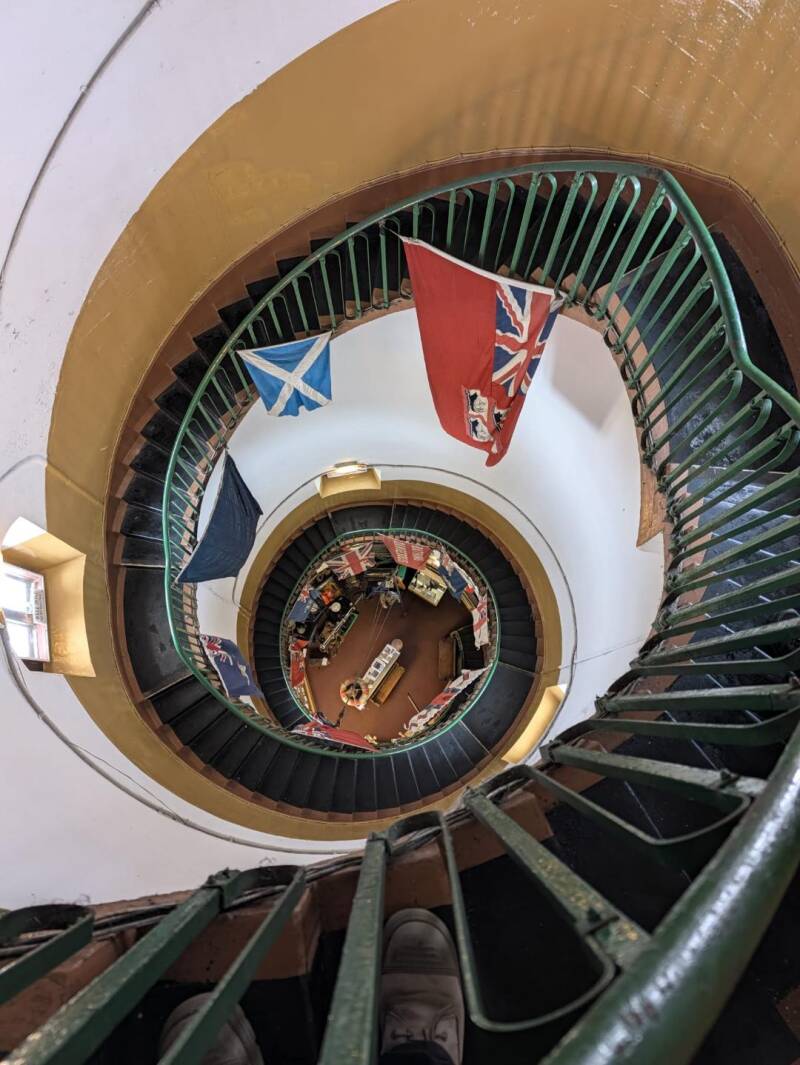
Withernsea's lighthouse is unique because it now stands over half a mile inland. When it was built in 1894 it overlooked the sea, but the coastline has changed dramatically over the years. We climbed to the top for fantastic views across the Holderness coast before exploring the museum below, which tells the story of the town and its maritime heritage.
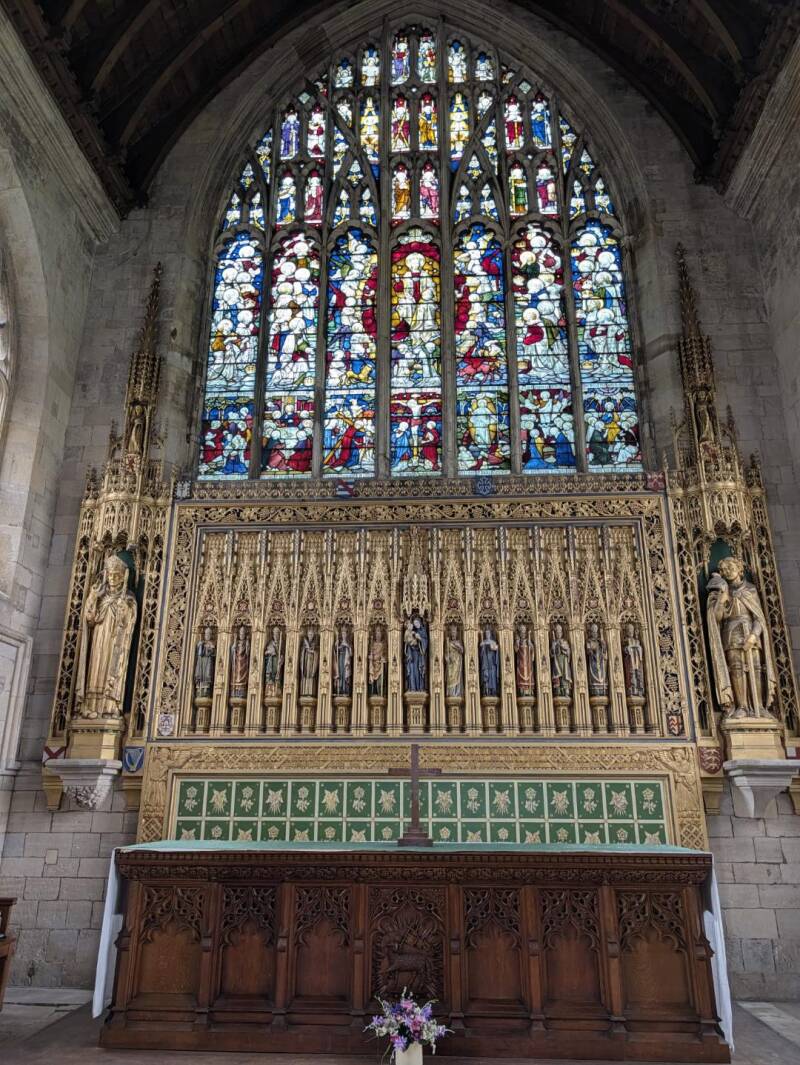
Back on the bike, we headed to Patrington, often described as having one of the finest parish churches in England. St Patrick's Church is a magnificent Gothic building so impressive it is sometimes called "The Queen of Holderness."
We were fortunate enough to find it open. As we explored inside, an organ practice was underway, filling the vast church with music. The sound echoed through the stone arches and stained-glass surroundings, creating one of those magical travel moments you could never plan.
Our ride continued through the picturesque villages of Mappleton and Roos, where we stopped to see the statue commemorating J.R.R. Tolkien's connections to the area. It's believed that the landscapes of East Yorkshire may have influenced some of the imagery that later appeared in his writing.
Satisfied after a fantastic day exploring, we returned to Peggy with plans to continue to the village of Paull.
And that's when disaster struck.
At some point during the ride, Arnie had been stung by something. Initially neither of us were too concerned. The plan was simple: get back to Peggy, take an antihistamine and carry on.
Unfortunately, things quickly became much more serious.
As we drove towards Paull, Arnie became increasingly uncomfortable. He was itching, overheating and clearly feeling unwell. Then I turned to look at him properly.
His face was swelling.
His skin had turned bright red.
His eyes were streaming and beginning to close from the swelling.
At that moment I abandoned all thoughts of sightseeing and declared we were heading straight for the nearest A&E.
Anaphylactic shock immediately crossed my mind and time suddenly felt very important.
Thankfully Hull Royal Infirmary wasn't far away. We drove straight there and headed into A&E, where the staff were absolutely brilliant. Arnie and I were taken through immediately. He was assessed, monitored and treated straight away.
Fortunately, it wasn't anaphylactic shock, but it was an extremely severe allergic reaction. Strong antihistamines soon began to work and, after several hours of monitoring, he was allowed home.
The relief was enormous.
Three hours earlier I had genuinely feared the worst. Now, although still swollen, sore and exhausted, he was recovering well.
By then neither of us had much energy left for adventures. We grabbed a late Chinese takeaway—special chow mein never tasted so good—and found a quiet park-side stopover in Hull for some much-needed sleep.
The next morning brought a completely different pace.
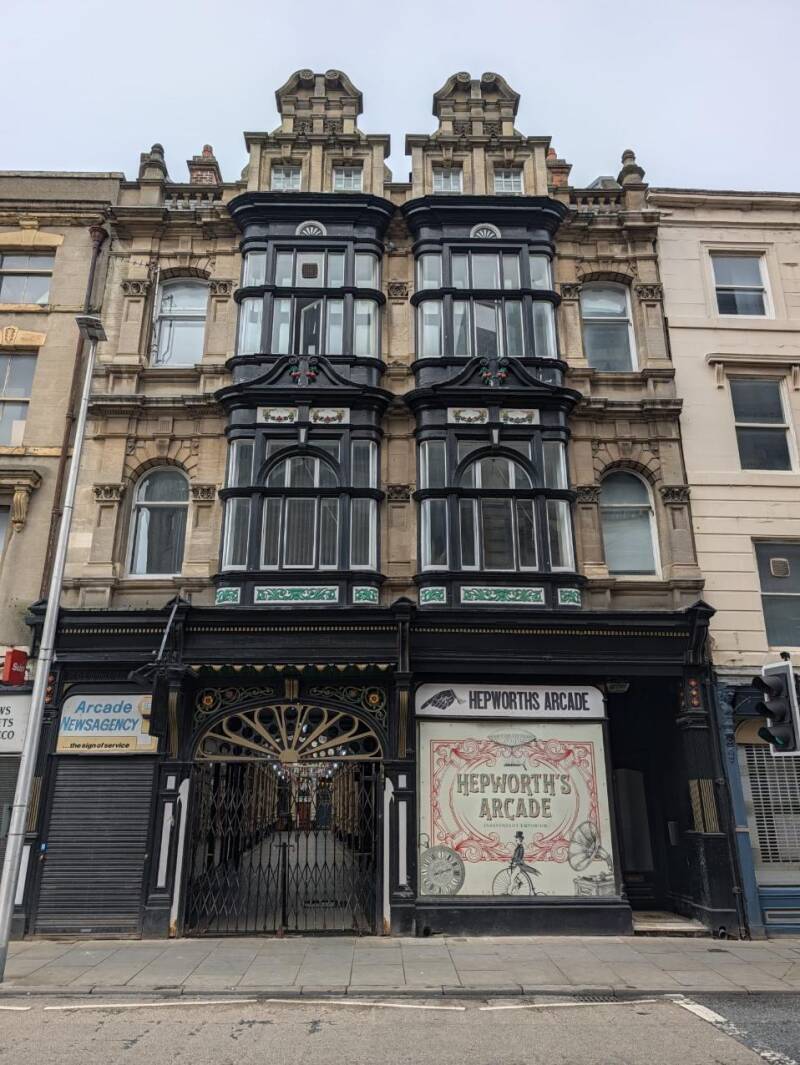
Feeling considerably better, we walked into Hull's Old Town, a hidden gem packed with cobbled streets, grand historic buildings and maritime history.
Breakfast was at a newly opened café called Chasing Caffeine, and what a find it turned out to be. Friendly owners, excellent coffee and delicious food quickly won us over. The fresh pastries were superb, but the scone was the real star of the show.
Fully refuelled, we spent the morning wandering through the historic streets before visiting the outstanding Streetlife Museum.
This free museum tells the story of transport over the last 200 years and is one of the best museums of its kind we've visited. Replica Victorian streets complete with shops, trams, carriages and vehicles make you feel as though you've stepped back through time. The attention to detail is incredible, and it's easy to lose hours exploring.
As we finally headed home, we reflected on a trip that had delivered everything from abandoned coastal settlements and fascinating history to beautiful churches, biker cafés and unexpected medical emergencies.
Thankfully Arnie was well on the way to making a full recovery, and by the end of the trip we were once again doing what we love most—exploring somewhere new together.
Although next time, we'd both quite like an adventure that doesn't involve a hospital wristband.
Until then Peggy and Crew
Create Your Own Website With Webador